Get Residential Air Testing
Residential air testing services help property owners identify indoor air quality issues, mold, allergens, or pollutants through inspections conducted by local contractors.
Residential air testing services provide property owners with insights into indoor air quality and ventilation effectiveness. Whether planning a home renovation, addressing concerns about allergens or pollutants, or ensuring a safe living environment, understanding the condition of indoor air can be an important step. Local contractors specializing in air testing can help identify potential issues, support healthy living spaces, and assist in making informed decisions about future projects.
For those exploring options to improve or assess their homes, comparing different local service providers can help find the right fit for specific needs. Many property owners turn to experienced professionals for detailed testing and analysis, making it easier to plan upgrades or address indoor air concerns confidently. Keep reading to learn more about how local air testing services can support your property management and planning efforts.
- Residential Air Testing - homeowners may need testing when experiencing unexplained odors or indoor air quality concerns.
- Indoor Air Quality Assessments - property owners seeking to identify airborne contaminants or mold issues in their homes.
- Ventilation System Evaluations - individuals wanting to ensure proper airflow and ventilation in their living spaces.
- Radon Testing - residents concerned about elevated radon levels that could affect health.
- Post-Remediation Testing - clients needing verification after mold removal or air purification treatments.
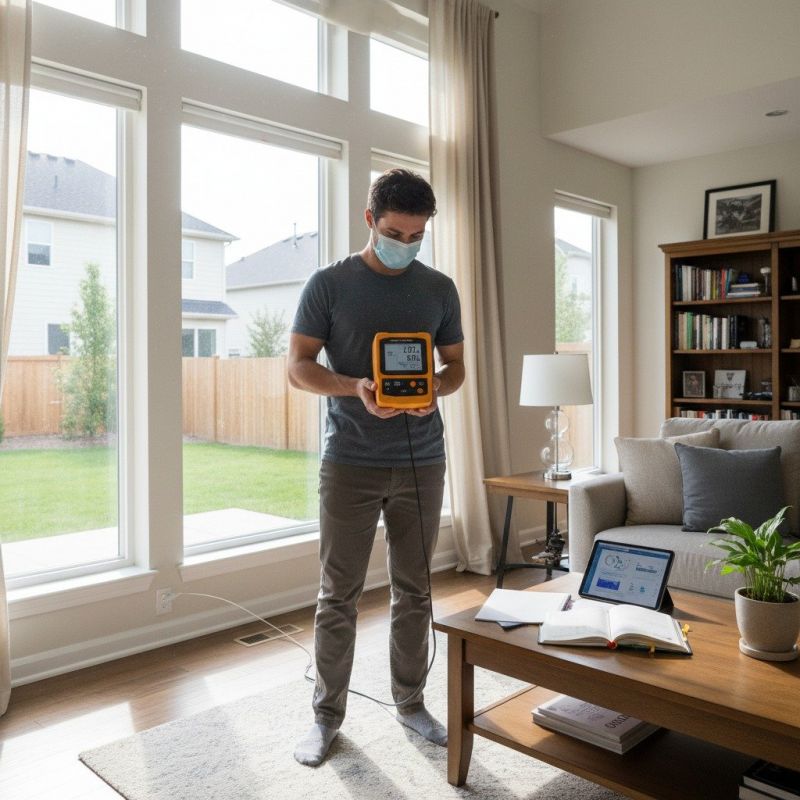
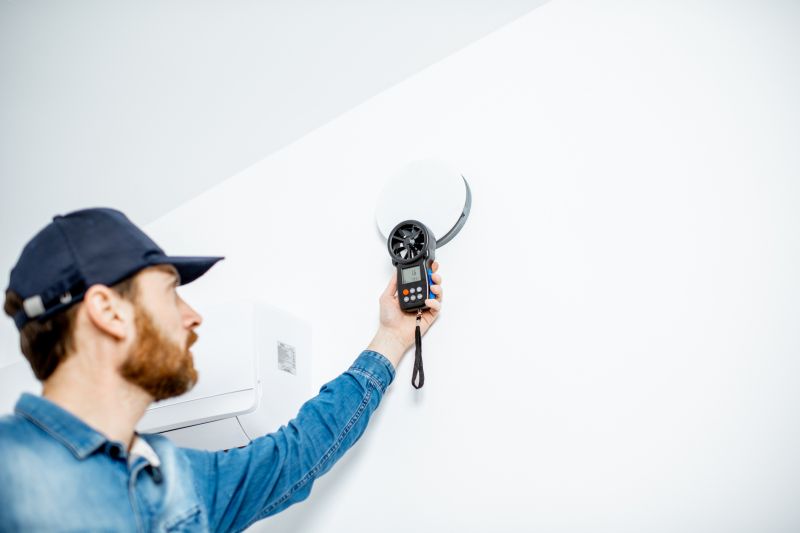
Residential air testing services involve evaluating the quality and safety of the air inside a home. Skilled service providers use specialized equipment to measure levels of common indoor pollutants, such as mold spores, volatile organic compounds (VOCs), allergens, and other airborne contaminants. This testing helps identify whether indoor air quality issues are present and provides a clearer understanding of potential health concerns for residents. Homeowners may choose air testing when they notice persistent odors, unexplained allergies, or respiratory symptoms that seem to worsen indoors.
These services are particularly useful for diagnosing problems related to mold growth, poor ventilation, or indoor pollution sources. For example, if a home has experienced water damage or high humidity levels, mold may develop unseen behind walls or in hidden areas. Air testing can reveal mold spores or other airborne irritants that might not be visible to the naked eye but could impact health. Additionally, air testing can help determine if indoor air quality is compromised by household products, building materials, or outdoor pollution infiltration, enabling homeowners to take targeted actions.
Properties that often utilize residential air testing include older homes, newly renovated residences, and buildings with ongoing moisture issues. Homes with visible mold or musty odors are common candidates for testing to pinpoint hidden sources. It is also valuable for families with members experiencing unexplained respiratory issues, allergies, or asthma symptoms. In some cases, air testing is recommended during or after a home renovation to ensure that no airborne contaminants are introduced or left behind. Overall, any home concerned about indoor air quality can benefit from professional testing to identify issues early and guide effective solutions.
By connecting with local contractors who specialize in residential air testing, homeowners can gain insights into their indoor environment and address potential health risks. These service providers use industry-standard methods to assess air quality accurately and provide actionable information. Whether dealing with specific concerns or seeking peace of mind, homeowners can find experienced professionals ready to evaluate indoor air conditions and recommend appropriate steps. Contacting local experts ensures that the testing process is thorough, reliable, and tailored to the unique needs of each property.
The overview below groups typical Residential Air Testing projects into broad ranges so you can see how smaller, mid-sized, and larger jobs often compare in your area.
In many markets, a large share of routine jobs stays in the lower and middle ranges, while only a smaller percentage of projects moves into the highest bands when the work is more complex or site conditions are harder than average.
Basic Testing - Most residential air testing services for small to medium-sized homes typically range from $250 to $600. Many routine projects fall within this middle band, covering standard assessments and reports.
Comprehensive Assessments - Larger or more detailed air testing jobs can cost between $600 and $1,200. These projects often involve additional equipment or extended testing periods and are less common than standard tests.
Specialized or Complex Projects - Very large or complex properties, or those requiring specialized testing methods, can reach $1,200 to $3,000 or more. Such projects are less frequent and usually involve extensive analysis or multiple testing phases.
Full System Evaluations - Complete air quality evaluations, including detailed analysis and recommendations, typically range from $1,000 to $5,000+. Many local contractors handle projects in this range, while very extensive jobs may push higher depending on scope.
Actual totals will depend on details like access to the work area, the scope of the project, and the materials selected, so use these as general starting points rather than exact figures.
Indoor Air Quality Assessments - professionals who evaluate air quality in residential spaces using testing methods similar to those used in air testing services.
Mold Inspection and Testing - local contractors skilled in identifying mold presence and testing air samples to determine contamination levels.
HVAC System Testing and Balancing - service providers who analyze airflow and ventilation efficiency, requiring similar planning and testing tools as air testing services.
Radon Testing Services - specialists who measure radon levels in homes, utilizing testing equipment comparable to air quality testing tools.
Ventilation System Evaluation - contractors who assess and optimize residential ventilation systems to improve air circulation and quality.
Asbestos and Indoor Pollutant Testing - experts who identify and test for indoor pollutants, employing testing techniques akin to those used in air testing services.
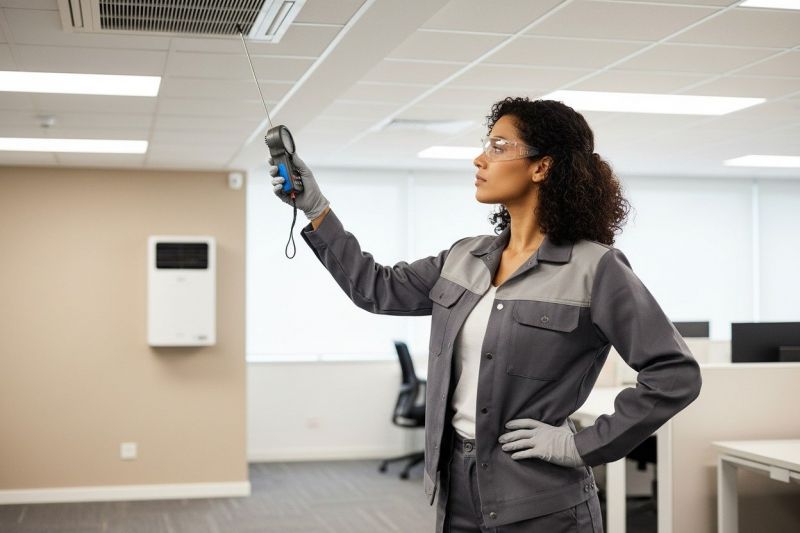
When evaluating service providers for residential air testing, it’s important to consider their experience with similar projects. Homeowners should look for local contractors who have a proven track record of handling air quality assessments in homes comparable to their own. An experienced provider will understand the common challenges and nuances of residential testing, which can help ensure the process is thorough and accurate. Asking about past projects or seeking references can provide insight into their familiarity with the specific needs of homes like yours, helping to identify professionals who are well-versed in this type of work.
Clear written expectations are essential to a successful engagement with a service provider. Homeowners should seek out local contractors who can provide detailed descriptions of their testing procedures, what the process entails, and what results or reports will be delivered. Having this information in writing helps prevent misunderstandings and ensures that both parties are aligned on the scope of work. It’s beneficial to request a transparent explanation of what the testing involves and any preparations needed, so homeowners can make informed decisions and feel confident about the process.
Good communication and reputable references are key factors when comparing local options for air testing services. Pros who communicate effectively-responding promptly to inquiries and providing clear, comprehensive information-are often more reliable and easier to work with. Additionally, checking references or seeking feedback from previous clients can help gauge the quality of service and professionalism. While this site introduces homeowners to local service providers, it’s important to remember that the actual testing work is performed by these professionals. Choosing reputable, communicative local contractors with relevant experience can contribute to a smoother process and more trustworthy results.
Property owners use Residential Air Testing services for practical projects around their homes and businesses. This guide focuses on everyday jobs and straightforward project options.

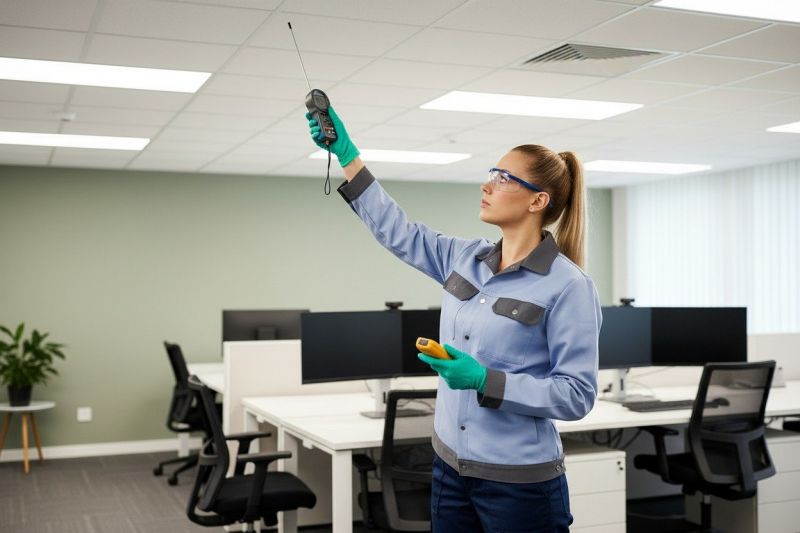
Residential air testing services are often sought after when property owners notice issues like persistent odors, mold growth, or unexplained allergies inside their homes. These situations can indicate hidden problems with indoor air quality that may not be visible but could impact health and comfort. Local contractors specializing in air testing can help identify potential sources of contaminants, moisture problems, or ventilation issues, providing homeowners with valuable insights to address these concerns effectively.
Homeowners might also look for air testing services when preparing a property for sale or after recent renovations, to ensure the indoor environment is safe and healthy for future occupants. Additionally, those experiencing unexplained respiratory symptoms or noticing signs of mold may turn to local service providers for professional testing. These experts can assist in pinpointing issues that require remediation, helping property owners maintain a safe and comfortable living space.
What is residential air testing? Residential air testing involves evaluating the air quality inside a home to identify potential issues such as pollutants, allergens, or contaminants.
Why should I consider residential air testing? Air testing can help detect indoor air quality problems that might affect health and comfort, allowing for targeted solutions by service providers.
What types of contaminants can air testing identify? Air testing can detect a variety of substances including mold spores, volatile organic compounds (VOCs), dust, and other airborne pollutants.
How do local contractors perform residential air testing? Local service providers typically use specialized testing equipment to collect air samples, which are then analyzed to assess indoor air quality.
Can residential air testing help with allergy or asthma symptoms? Yes, air testing can identify allergens and irritants that may contribute to allergy or asthma symptoms, enabling appropriate remediation steps by local pros.
Indoor Air Quality Assessment - Homeowners can use air testing services to identify pollutants or allergens within their living spaces, ensuring a healthier environment.
Mold and Mildew Detection - Property owners may schedule testing to locate hidden mold growth that could affect indoor air and property condition.
Post-Remediation Verification - After mold removal or other repairs, air testing can confirm that indoor air quality has been restored to safe levels.
New Home or Renovation Checks - Those moving into or renovating a property can use air testing to verify that indoor air is free from contaminants before occupancy.
If you are thinking about Residential Air Testing for a property, this guide is meant to help you understand the work, the typical project types, and how different options might fit your plans.
When you are ready, you can use the quote form on this page to share a few details about your project. From there, local pros can review the basics and respond with options that match what you have in mind.